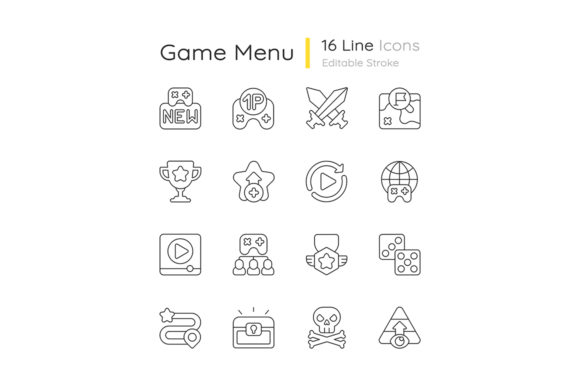
Game Menu Linear Icons Set: Practical Design Solutions for Modern Gaming Interfaces
What Is the Game Menu Linear Icons Set?
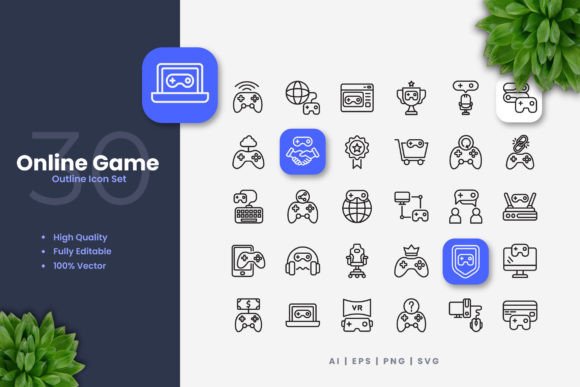
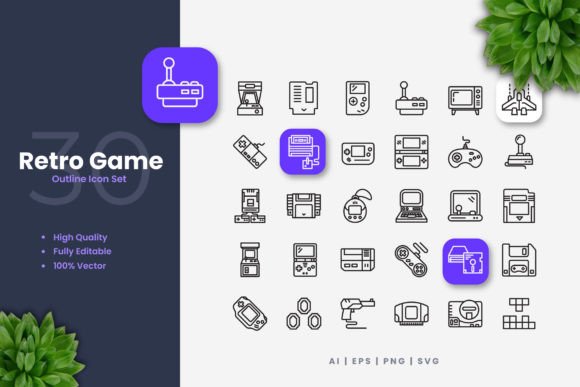
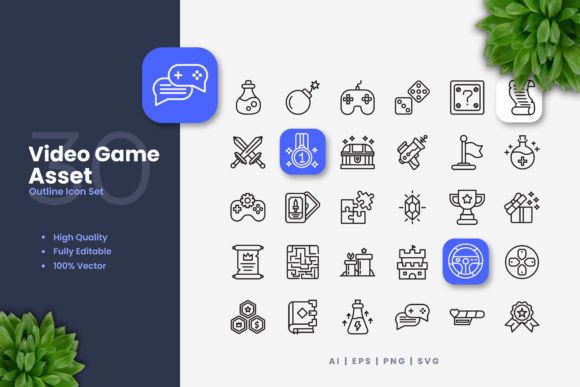
The Game Menu Linear Icons Set is a collection of customizable, thin-line contour symbols designed specifically for game interfaces. Whether you're developing for PC, console, or mobile platforms, this set offers a versatile range of icons that represent common gaming actions, settings, and features. Each icon is delivered in vector format, making them scalable without loss of quality. The ZIP file includes EPS, JPG, PNG, and SVG versions, giving designers and developers flexibility in how they implement these visuals.
Why Game Developers and UI Designers Love This Icon Set
Designing an intuitive and visually appealing game menu is crucial for user engagement. The Game Menu Linear Icons Set simplifies this process by offering a cohesive visual language that works across different genres and platforms. Because the icons are created in a clean, minimalist style, they blend seamlessly into both retro-inspired and modern UIs.
For example, a mobile game developer working on a puzzle app might use these icons to represent pause, settings, and level selection. Meanwhile, a desktop game designer could use the same set to build a sleek inventory or mission selection screen. The thin line style ensures clarity without overwhelming the screen, especially on smaller devices.
Real-World Applications Across Different Gaming Contexts
- Mobile Gaming: With touch-based interfaces dominating mobile play, visual clarity is key. These icons help developers communicate actions like “restart,” “sound toggle,” or “multiplayer” with minimal text.
- Indie Game Development: Indie studios often work with tight budgets and limited design resources. The Game Menu Linear Icons Set offers a ready-made visual toolkit that can be customized to match any game’s aesthetic.
- Educational Games: In gamified learning apps, icons help guide users through menus and options. These icons are ideal for representing actions like “start quiz,” “review,” or “progress tracker” in a clean, recognizable way.
- Esports and Competitive Play: For games with live leaderboards or matchmaking features, these icons can clearly represent functions like “spectate,” “quick match,” or “team selection.”
Customization and Scalability: Key Advantages
One of the standout features of the Game Menu Linear Icons Set is its editability. Since the icons are available in vector formats like SVG and EPS, they can be resized infinitely without pixelation. This makes them ideal for responsive game UIs that need to adapt to different screen sizes and resolutions.
Additionally, the icons are built with editable strokes, allowing designers to adjust line thickness, color, and even add animation effects. For example, a designer might change the stroke color of a “pause” icon to red when the player is in a high-intensity moment, creating a subtle but effective visual cue.
Who Benefits Most from This Icon Set?
UI/UX Designers: Can quickly prototype game menus and navigation systems without starting from scratch.
Frontend Developers: Appreciate the SVG format for easy integration into web-based games or hybrid apps.
Game Artists: Can modify the icons to align with a specific art style, whether it's cyberpunk, fantasy, or minimalistic.
Marketing Teams: Use the icons in promotional materials, app store screenshots, and social media content to maintain visual consistency.
Practical Use Cases and Observations
Consider a mobile game that’s launching globally. The developers need to ensure that menu icons are universally understood, regardless of language. The Game Menu Linear Icons Set provides a consistent visual shorthand for actions like “play,” “settings,” and “leaderboard,” reducing the need for text-based instructions.
Another scenario involves a game studio working on a cross-platform title. They need icons that scale well from large TVs to small smartphone screens. The vector nature of these icons ensures crisp visuals across all devices, while the thin line style maintains elegance without clutter.
Considerations Before Using the Game Menu Linear Icons Set
While the set is highly versatile, there are a few considerations to keep in mind before integrating it into your project:
- Brand Consistency: Make sure the icon style aligns with your game’s overall aesthetic. If your game has a bold, cartoonish style, you may need to tweak the icons to match.
- Accessibility: Thin lines can sometimes be hard to see on low-resolution screens or for players with visual impairments. Consider increasing stroke width or adding contrast in such cases.
- Customization Effort: While the icons are editable, modifying them to fit a unique visual language may take time. Factor this into your design timeline.
- File Compatibility: If you're using a game engine that doesn’t support SVG natively, you’ll need to convert the icons to PNG or JPG, which may affect scalability.
Strengths and Limitations
Strengths:
- Highly scalable vector graphics suitable for all screen sizes
- Clean, minimalist design that works across genres
- Editability allows for customization to match different art styles
- Available in multiple formats for broad compatibility
Potential Limitations:
- May require additional styling to fit more stylized or niche game genres
- Thin lines may not stand out on low-contrast or small displays without adjustment
- Requires basic design knowledge to customize effectively
Final Thoughts for Designers and Developers
The Game Menu Linear Icons Set is more than just a collection of graphics — it’s a foundational tool for building intuitive and visually cohesive game interfaces. Whether you're designing a casual mobile game or a complex RPG, these icons offer a practical, time-saving solution that adapts to your creative needs.
By incorporating this set into your workflow, you can streamline your UI design process, maintain visual consistency, and ultimately enhance the player experience. Just remember to consider your audience, platform, and overall design goals to get the most out of these versatile icons.