Designing Video Game Characters Concept Icons: A Practical Guide for Creative Professionals
Creating compelling video game characters begins long before animation or coding. One of the earliest and most critical stages involves developing a strong visual identity through concept icons. These icons serve as foundational visual shorthand, capturing the essence of a character in a simplified, scalable format. Whether you're a game designer, illustrator, or content creator, understanding how to integrate Video Game Characters Concept Icon design into your workflow can streamline development and enhance consistency across projects.
What Is a Video Game Characters Concept Icon?
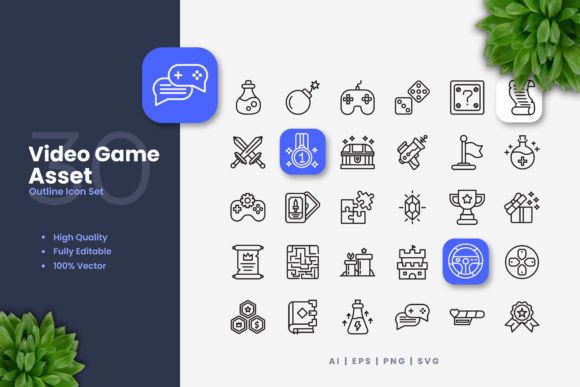
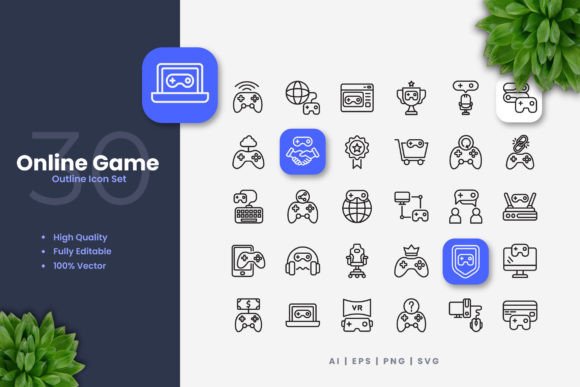
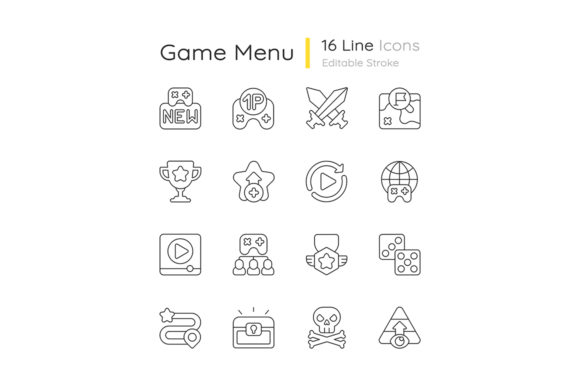
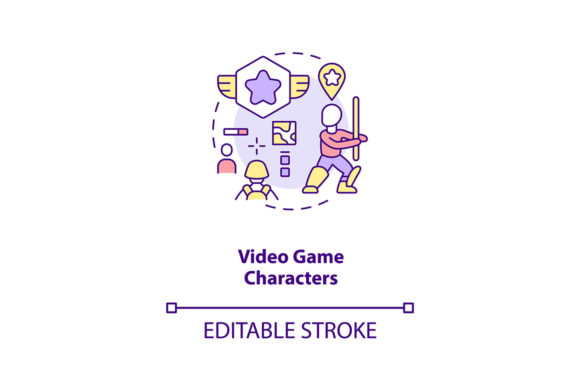
A Video Game Characters Concept Icon is a minimalist, often line-based representation of a character that communicates core traits such as theme, role, and personality. These icons are typically created in vector format—allowing for scalability without loss of quality—and are used throughout the design pipeline to represent characters in menus, inventories, maps, and UI elements.
Unlike full character illustrations, concept icons focus on clarity and recognizability. They often use thin line illustrations, outline strokes, and RGB color schemes to ensure compatibility with digital interfaces. The result is a clean, editable asset that can be easily modified and adapted across different platforms and screen sizes.
When to Use Concept Icons in Game Development
Concept icons are not just decorative—they play a functional role at multiple stages of the creative process:
- Pre-Production: Use icons to establish character roles and visual themes before diving into detailed design.
- During Development: Implement icons into UI/UX design to maintain visual consistency across gameplay elements.
- Post-Launch: Repurpose icons for marketing materials, character selection screens, and downloadable content (DLC) packs.
By integrating these icons early, developers and designers can ensure that every visual decision aligns with the game’s overarching aesthetic and narrative.
Matching Character Names with Visual Themes
One of the most overlooked yet powerful aspects of concept icon design is aligning the visual with the character’s name and theme. For example, a character named “Valken” might suggest sharp, angular lines and a dark color palette, while “Luma” might lean toward soft curves and pastel tones.
This thematic alignment helps in:
- Clarifying the character’s role in the game world
- Improving player recognition and emotional connection
- Ensuring consistency across promotional and in-game assets
When designing your Video Game Characters Concept Icon, consider how the name and visual language inform each other. This alignment supports both creative direction and branding.
How Concept Icons Integrate with Other Design Tools and Assets
Concept icons are not standalone elements—they interact with a range of other tools and resources throughout the development cycle. Here's how they fit into broader workflows:
- UI/UX Design Tools: Icons are often imported into tools like Figma, Adobe XD, or Sketch for interface layout and prototyping.
- Game Engines: Unity and Unreal Engine support vector formats, allowing icons to be scaled dynamically across devices.
- Asset Management Platforms: Storing icons in digital asset management (DAM) systems ensures version control and easy access for team members.
- Marketing and Branding: Icons can be repurposed for social media, trailers, and merchandise, reinforcing character identity beyond the game itself.
To maximize efficiency, maintain a centralized repository for all icon assets. This ensures that everyone—from designers to marketers—uses the most up-to-date versions.
Practical Tips for Creating and Using Concept Icons
Whether you're designing from scratch or customizing existing templates, here are some practical strategies for working with Video Game Characters Concept Icon sets:
- Start with Thin Line Illustration: Thin lines offer flexibility and readability, especially at small sizes. They also allow for easy editing of stroke weight later.
- Use Vector Formats: Work in SVG, AI, or EPS to maintain scalability. These formats are ideal for both print and digital use.
- Include Multiple File Types: Always export icons in JPG, PNG, and SVG formats to accommodate different platforms and use cases.
- Edit Strokes for Consistency: Ensure that all icons in a set have uniform stroke widths and alignment for a cohesive look.
- Organize with ZIP Files: Package all versions of your icons into a ZIP file for easy sharing and archiving.
These best practices help maintain visual consistency and streamline collaboration, especially when working with teams or clients.
Preparing for Long-Term Use and Scalability
As your project grows, so will the need for scalable, adaptable assets. Here's how to future-proof your Video Game Characters Concept Icon designs:
- Plan for Variations: Create multiple poses or expressions for each character icon to support different in-game states (e.g., idle, active, defeated).
- Ensure Compatibility: Test icons across different resolutions and screen sizes to avoid distortion or loss of detail.
- Maintain Style Guides: Document color palettes, stroke widths, and font pairings to ensure consistency across all visual elements.
- Update Regularly: As characters evolve, revisit and revise their icons to reflect changes in design or role.
By building flexibility into your icon system, you’ll save time and reduce the need for extensive rework later in development.
Integrating Concept Icons into Your Creative Workflow
For creators, entrepreneurs, and marketers, concept icons are more than just design elements—they're tools that support planning, communication, and execution. Here’s how to incorporate them into your daily workflow:
- Storyboarding: Use icons to visualize character interactions and story progression before animating scenes.
- Prototyping: Place icons in early game builds to test usability and visual flow.
- Client Presentations: Show icons to stakeholders as part of a visual pitch or branding package.
- Content Creation: Bloggers and educators can use icons to illustrate articles, tutorials, or educational materials.
By treating concept icons as strategic assets rather than decorative graphics, you’ll improve both the efficiency and impact of your creative output.
Conclusion: Making the Most of Video Game Characters Concept Icons
From early concept sketches to final in-game visuals, the Video Game Characters Concept Icon plays a crucial role in shaping the player experience. By integrating these icons into your planning, design, and production workflows, you create a visual foundation that supports clarity, consistency, and creativity.
Whether you're developing a full-scale game or creating digital content for a blog or educational platform, a well-designed icon set can elevate your work and streamline your process. With the right tools, file formats, and organizational strategies, you can ensure that your characters remain visually cohesive and adaptable across every stage of development.