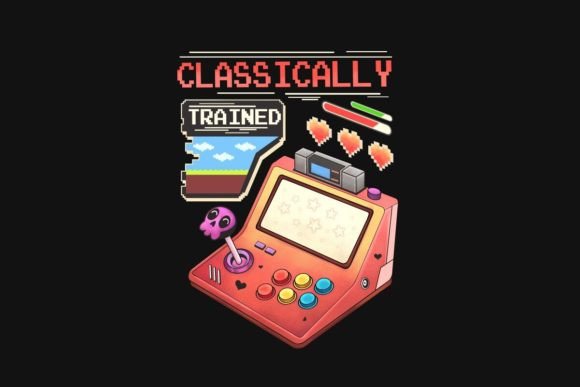
Strategic Value of Classically Trained Video Game Design in Modern Merchandising
Classically Trained Video Game Design represents a disciplined, foundational approach to creating visual assets rooted in traditional art principles, composition, and storytelling techniques. Unlike purely digital or trend-driven design methods, this approach emphasizes structure, proportion, and aesthetic depth, often drawing from centuries-old artistic disciplines. When applied thoughtfully, it can elevate merchandise design, enhance brand identity, and support long-term marketing strategies.
Why Classically Trained Design Matters for Merchandise
In a saturated market where visual differentiation is key, the precision and depth of classically trained design offer a competitive edge. Whether applied to t-shirts, hoodies, posters, mugs, or tote bags, this design methodology ensures that every visual element serves a purpose—whether it’s storytelling, brand reinforcement, or emotional connection with the consumer.
For entrepreneurs and marketers, integrating this level of design into product lines can translate into stronger brand recall, increased customer loyalty, and more effective cross-promotion. The discipline behind the design ensures consistency across formats, which is essential when scaling across digital and physical merchandise.
Aligning Design with Brand Positioning and Long-Term Goals
Before incorporating Classically Trained Video Game Design into your product line, it’s essential to align it with your brand’s positioning and long-term business goals. Ask yourself: Does the design reflect the core values of your brand? Will it resonate with your target audience beyond a single purchase? These questions help ensure that your design choices are not just visually appealing but strategically sound.
For instance, a brand that emphasizes craftsmanship, heritage, or storytelling can benefit significantly from the narrative depth and visual richness of classically trained design. In contrast, brands focused on minimalism or ultra-modern aesthetics may need to adapt or selectively integrate these elements.
Practical Applications Across Merchandise Formats
The versatility of Classically Trained Video Game Design makes it suitable for a wide range of merchandise. Here’s how it can be effectively applied:
- T-shirts and Hoodies: Use detailed character designs or iconic symbols that reflect a deeper narrative, enhancing emotional connection and repeat purchases.
- Posters: Leverage classical composition techniques to guide the viewer’s eye and reinforce brand messaging through visual hierarchy.
- Mugs and Tote Bags: Apply simplified but meaningful design motifs that maintain integrity even at smaller sizes, ensuring recognition and impact.
Each format requires thoughtful adaptation of the original design to maintain clarity and effectiveness. This is where strategic planning becomes essential—considering print resolution (300 DPI files are ideal), color contrast, and material compatibility ensures that the final product reflects the intended quality and message.
When to Use Classically Trained Design and When to Simplify
While the depth and complexity of this design style can be compelling, it’s not always the best fit for every project. High-detail visuals may overwhelm minimalist product formats or confuse audiences seeking instant recognition. In such cases, simplification or selective abstraction of classical elements can preserve the essence without compromising clarity.
Use classically trained design when:
- Your brand narrative is rich, layered, or story-driven.
- You aim to create collectible or emotionally resonant merchandise.
- You want to differentiate your brand visually in a crowded marketplace.
Consider simplification when:
- Design clarity is more critical than visual complexity (e.g., small-scale prints).
- Your audience prefers clean, modern aesthetics.
- You need fast recognition across digital and physical platforms.
Strategic Considerations Before Implementation
Before adopting Classically Trained Video Game Design as part of your creative strategy, evaluate the following factors to ensure alignment with your business goals:
- Target Audience: Does your audience appreciate detailed, narrative-driven visuals, or do they prefer simplicity and clarity?
- Brand Consistency: Will the design elements integrate seamlessly with your existing brand assets and messaging?
- Production Feasibility: Are the provided files (PNG, JPEG, PDF) suitable for both digital and screen printing? Confirm that 300 DPI resolution is maintained for high-quality output.
- Long-Term Use: Can the design be adapted or expanded across future merchandise without losing relevance or impact?
These considerations help prevent costly missteps and ensure that your investment in design translates into measurable business value.
Avoiding Common Pitfalls in Design Utilization
One of the most common mistakes is using high-quality, classically trained design elements without a clear strategic purpose. This can lead to inconsistent branding, wasted resources, and confused messaging. To avoid this:
- Define the goal of each design piece before implementation.
- Ensure that the design supports a broader brand narrative or marketing campaign.
- Test the design across multiple formats and platforms to confirm its visual integrity and functional effectiveness.
Remember: A beautiful design that doesn’t align with your business strategy may look impressive but won’t deliver long-term value.
Integrating Design into a Broader Marketing Strategy
Classically Trained Video Game Design should not exist in isolation—it’s most powerful when woven into a cohesive marketing and merchandising strategy. Consider the following integration points:
- Content Marketing: Use design assets as part of blog posts, social media content, or email campaigns to tell a visual story.
- Product Launches: Release limited-edition merchandise featuring unique design elements to build anticipation and exclusivity.
- Community Building: Offer design-based merchandise to loyal customers or community members, reinforcing shared values and identity.
By aligning design choices with your marketing calendar and customer engagement strategy, you create a more unified and impactful brand experience.
Conclusion: Design as a Strategic Asset
Classically Trained Video Game Design is more than an aesthetic choice—it’s a strategic asset that, when used intentionally, can enhance brand identity, support marketing goals, and elevate merchandise quality. Whether you're launching a new product line or refining your visual strategy, thoughtful integration of this design approach can help you stand out in a competitive market.
Remember, the goal is not simply to create beautiful designs, but to use them as tools for storytelling, connection, and long-term brand growth. With clear objectives, strategic planning, and a focus on quality, you can unlock the full potential of Classically Trained Video Game Design for your business.