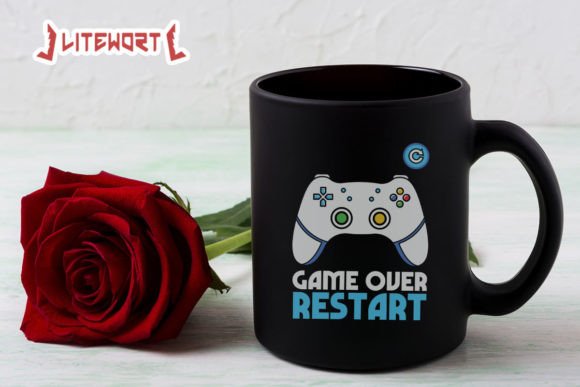
Game Over, Restart: A Digital Artwork for Creative Workflows
When creative projects reach a natural conclusion or demand a fresh start, the symbolism of Game Over, Restart becomes more than just visual—it becomes a mindset. This digital artwork, designed for use with Sublimate software, serves as a powerful visual cue for creators, entrepreneurs, and professionals who need to reset, reframe, and move forward. Whether you're printing on a T-shirt, mug, or digital canvas, this design carries a message that aligns with iterative thinking and process-driven creativity.
Understanding Game Over, Restart in Context
The phrase “Game Over, Restart” may originate from gaming culture, but its relevance extends into professional and creative workflows. It represents the ability to pause, evaluate, and begin again—often with improved insight. In the context of digital design, this artwork isn't just a graphic; it's a tool for signaling transformation, renewal, and adaptability.
As a 300 DPI PNG file, it's optimized for high-quality printing and digital use. Whether applied to merchandise, branding materials, or as part of a personal or business project, this asset is versatile and scalable. Being a digital product, it integrates seamlessly into modern design workflows, especially when used with Sublimate-compatible tools and platforms.
When to Use Game Over, Restart in Your Projects
This artwork can serve multiple roles depending on the stage of your project or process:
- Before a project—as a motivational visual for brainstorming sessions or project kickoff materials, signaling a clean slate and readiness to begin.
- During a project—as a reminder or checkpoint graphic to indicate a pivot, reevaluation, or version update.
- After a project—as a symbolic closure image, especially useful in portfolios, case studies, or wrap-up presentations.
For educators and trainers, this design can be used in course materials to illustrate the learning cycle—where mistakes are part of growth and restarting is part of progress. Similarly, entrepreneurs and marketers can use it in branding or promotional content to highlight resilience and innovation.
Integrating with Tools and Platforms
The Game Over, Restart artwork is a digital asset that works best when embedded into broader creative or business systems. Here are some ways it integrates with common tools and workflows:
- Sublimate Software—The primary platform for using this design, especially for printing on apparel and merchandise. Ensure you're using the latest version of the software for compatibility and optimal rendering.
- Graphic Design Tools—Adobe Photoshop, Illustrator, Canva, and similar platforms can import the PNG file for use in layered compositions or print-ready layouts.
- E-commerce Platforms—When selling custom products, this design can be uploaded directly to platforms like Printful, Teespring, or Shopify for on-demand printing.
For best results, maintain a consistent file naming system and organize your digital assets in a centralized folder or cloud storage system. This ensures long-term usability and easy retrieval for future projects.
Practical Use Cases Across Industries
Because this design is both conceptual and visual, it adapts well across a range of industries and use cases:
- Freelancers and Creatives—Use it in personal branding materials to signify a fresh chapter, rebranding effort, or portfolio update.
- Small Business Owners—Apply it to promotional items like mugs or T-shirts to reinforce a culture of innovation and adaptability within your team.
- Bloggers and Content Creators—Incorporate the design into blog graphics, social media posts, or video thumbnails that discuss productivity, mindset, or creative blocks.
- Educators and Trainers—Use it in presentations or handouts to represent the iterative nature of learning and personal development.
Each of these applications demonstrates how a single visual element can support broader communication goals, especially when aligned with the right message and audience.
Workflow Tips for Efficient Implementation
Here are several practical tips to help you incorporate Game Over, Restart smoothly into your workflow:
- Batch Processing—If you're using the design across multiple products (e.g., T-shirts, mugs, posters), batch your design files together to streamline production.
- Template Creation—Create reusable templates in your design software so you can easily plug in the artwork without reformatting every time.
- Color Consistency—Test how the artwork looks in different color schemes, especially if you're printing on various colored garments or backgrounds.
- Version Control—If you're modifying the design for different uses, keep track of versions with clear naming conventions (e.g., GameOver-Restart_v1_TShirt, GameOver-Restart_v1_Mug).
These small but meaningful steps can significantly improve your efficiency and reduce the time spent on repetitive tasks.
Ensuring Long-Term Value and Reusability
Digital assets like Game Over, Restart should be treated as long-term investments. To ensure they remain useful over time:
- Archive Thoughtfully—Store the original file in a clearly labeled folder within your digital asset library, preferably with metadata tags for easy searchability.
- Update as Needed—If you plan to use the design in new contexts, consider creating variations while maintaining the original file for reference.
- License Compliance—Since this is a commercial-use digital product, ensure you're following the licensing terms provided by the creator, especially when distributing or reselling.
By treating this artwork as part of your creative toolkit rather than a one-off purchase, you maximize its value across projects and platforms.
Final Thoughts on Integrating Game Over, Restart
Whether you're a designer, entrepreneur, educator, or hobbyist, the Game Over, Restart digital artwork offers more than just aesthetic appeal—it supports a mindset of iteration, resilience, and clarity. Its high-quality format and compatibility with Sublimate software make it a practical choice for both digital and physical applications. By integrating it thoughtfully into your workflow, you're not just adding a visual element—you're reinforcing a process of reflection, reset, and forward motion.